
Short answer
Choose PVOH when the package should dissolve in water or must not leave a persistent bag, and goods stay dry; choose PBAT or PLA based compostable materials when the package must resist water and will be industrially composted. PLA is made from plant sugars and composts in industrial facilities; PBAT is a fossil-based (or partly bio-based) compostable polyester that is water and tear resistant. AquaFlex PVOH film passed ISO 14852 in 32 days and ASTM D6691 in 43 days (ARCHA lab tests).
Three materials, three different jobs
PVOH, PLA and PBAT are often grouped together as "bioplastics", but they behave very differently in a warehouse, in water and at the end of life. Bioplastics can be biobased, biodegradable or both, and biodegradability depends on chemical structure, not on the origin of the material (European Bioplastics). The right choice depends on what your package has to do.
PLA: plant-based, industrially compostable
PLA, polylactic acid, is made from plant sugars: crops such as corn, cassava, sugar cane or beets are milled, the sugars are fermented into lactic acid, and lactic acid is polymerised into PLA (NatureWorks). Certain PLA products can be composted in municipal or industrial facilities that regulate temperature, moisture and aeration, and every final product must pass its own compostability testing. NatureWorks also notes that industrial composting facilities are limited and may not be available near you (NatureWorks composting).
PLA is rigid on its own, so for flexible films it is often blended with PBAT.
PBAT: compostable and water resistant
PBAT, polybutylene adipate terephthalate, is a biodegradable polyester. BASF, which introduced it as ecoflex in 1998, describes it as fossil-based in its standard grade, with partially bio-based grades available, certified industrially compostable under EN 13432, and, for its grades, biodegradable under home composting and in agricultural soil (EN 17033). It is elastic, water and tear resistant, and it runs on conventional PE blown film machines (BASF).
That water resistance is the key difference with PVOH: a PBAT bag can hold wet waste or go outdoors. In our experience, standard compostable plastics typically have a shelf life of about 12 months from manufacture, which matters for brands that buy in container loads. GPS PLAS, our sister factory, makes CompoFlex, a compostable PBAT compound compliant with EN 13432.
PVOH: water-soluble and tested in water and seawater
PVOH is a synthetic, water-soluble polymer. As a film it is clear, prints well and blocks oxygen far better than PE. It dissolves in water, then microorganisms turn the polymer into carbon dioxide, water and biomass. AquaFlex, PVA PRO's modified PVOH, passed ISO 14852 in 32 days in fresh water, ASTM D6691 in 43 days in natural seawater and ISO 14855-1 in 125 days in industrial composting, in independent lab tests by ARCHA S.r.l. (Italy).
Its retained samples have stayed stable for more than five years in normal storage conditions. The limit is equally clear: goods must not touch liquid water. See Does PVOH film really biodegrade?.
Side by side
| Property | PVOH (AquaFlex) | PLA | PBAT |
|---|---|---|---|
| Feedstock | Synthetic polymer | Plant sugars (corn, cassava, sugar cane, beets) | Fossil-based, or partly bio-based grades |
| In contact with water | Dissolves (cold, warm or hot grade) | Does not dissolve | Water and tear resistant |
| Typical film use | Laundry bags, doses, mold release, dry goods bags | Rigid items, blends for film | Compostable bags and films, often blended with PLA |
| Main end-of-life test | ISO 14852 (water), ASTM D6691 (seawater), EN 13432 | EN 13432 or ASTM D6400 (industrial composting) | EN 13432; home compost and soil for some grades |
| Storage | Retained samples stable 5+ years | Check with the supplier | About 12 months is typical for standard compostable plastics |
| Transparency | Transparent | Transparent grades exist | Translucent in film blends |
Sources: AquaFlex data from PVA PRO and ARCHA lab tests; PLA from NatureWorks; PBAT from BASF; EN 13432 from European Bioplastics.
A simple decision guide
- The package must dissolve in use (laundry bag, detergent dose, mold release film): PVOH.
- Dry goods, long storage, clear bag (garments, leather, electronics, metal parts): PVOH, with carton liners if water contact is a risk.
- The package touches water or wet waste and goes to composting: PBAT based compostable material such as CompoFlex.
- Rigid items for industrial composting: PLA, where industrial composting is available.
Not sure? PVA PRO and GPS PLAS are both TURN GREEN companies, so we can compare PVOH with compostable options on the same brief. Read What is modified PVOH?, the applications guide, or request a sample.
End of life in practice
A material is only as good as the route it actually takes after use. Industrial composting needs controlled temperature, moisture and aeration, and NatureWorks notes that these facilities are limited and may not be available near you (NatureWorks). EN 13432 requires, among other things, at least 90% disintegration within 12 weeks in industrial composting (European Bioplastics).
PVOH takes a different route: in uses such as laundry bags, detergent doses or mold release film, it dissolves during use and goes with the water. AquaFlex results in fresh water (ISO 14852, 32 days) and natural seawater (ASTM D6691, 43 days) describe what happens next in lab conditions. For a garment or electronics bag, tell end users clearly how to dispose of it, based on those reports.
Processing and barrier
| Question | PVOH (AquaFlex) | PLA | PBAT |
|---|---|---|---|
| How is film made? | Mono or co-extrusion blown film from B-grade resin; extrusion coating with EX-CWS; liquid coatings | Rigid alone; often blended with PBAT for flexible film | Runs on conventional PE blown film machines (BASF) |
| Oxygen barrier | Blocks oxygen far better than PE | Check the grade data | Check the grade data |
| Paper option | AquaFlex on metalized kraft: OTR below 1 cc/m²/day (ASTM F1927) | Not covered here | Not covered here |
| Strength in wet use | Dissolves; keep dry | Does not dissolve | Water and tear resistant |
We only fill cells we can source. Where PLA or PBAT data depend on a specific grade, ask that supplier for its data sheet, just as you would ask us for the AquaFlex one.
Four example briefs
| Brief | Better fit | Why |
|---|---|---|
| Hospital laundry bag that goes into the machine closed | PVOH, hot water grade B-HWS | Must dissolve in the wash; a compostable bag would not |
| Garment polybag for export, stored for months in a warehouse | PVOH, with carton liners | Clear, dry goods, retained samples stable 5+ years vs about 12 months typical for compostables |
| Kitchen caddy liner for food waste collection | PBAT based compostable, such as CompoFlex | Holds wet waste and goes to composting with it |
| Snack or chocolate pack moving from plastic to paper | AquaFlex paper laminate | High barrier paper structure for FFS lines |
Many brands end up using more than one material: PVOH for laundry or garment bags, a compostable PBAT material for wet waste, and barrier paper for food. Because PVA PRO and GPS PLAS are both TURN GREEN companies, one team can review the whole packaging range on a single brief and point each item to the material that fits its use, storage time and end of life.
Why the supplier matters as much as the material
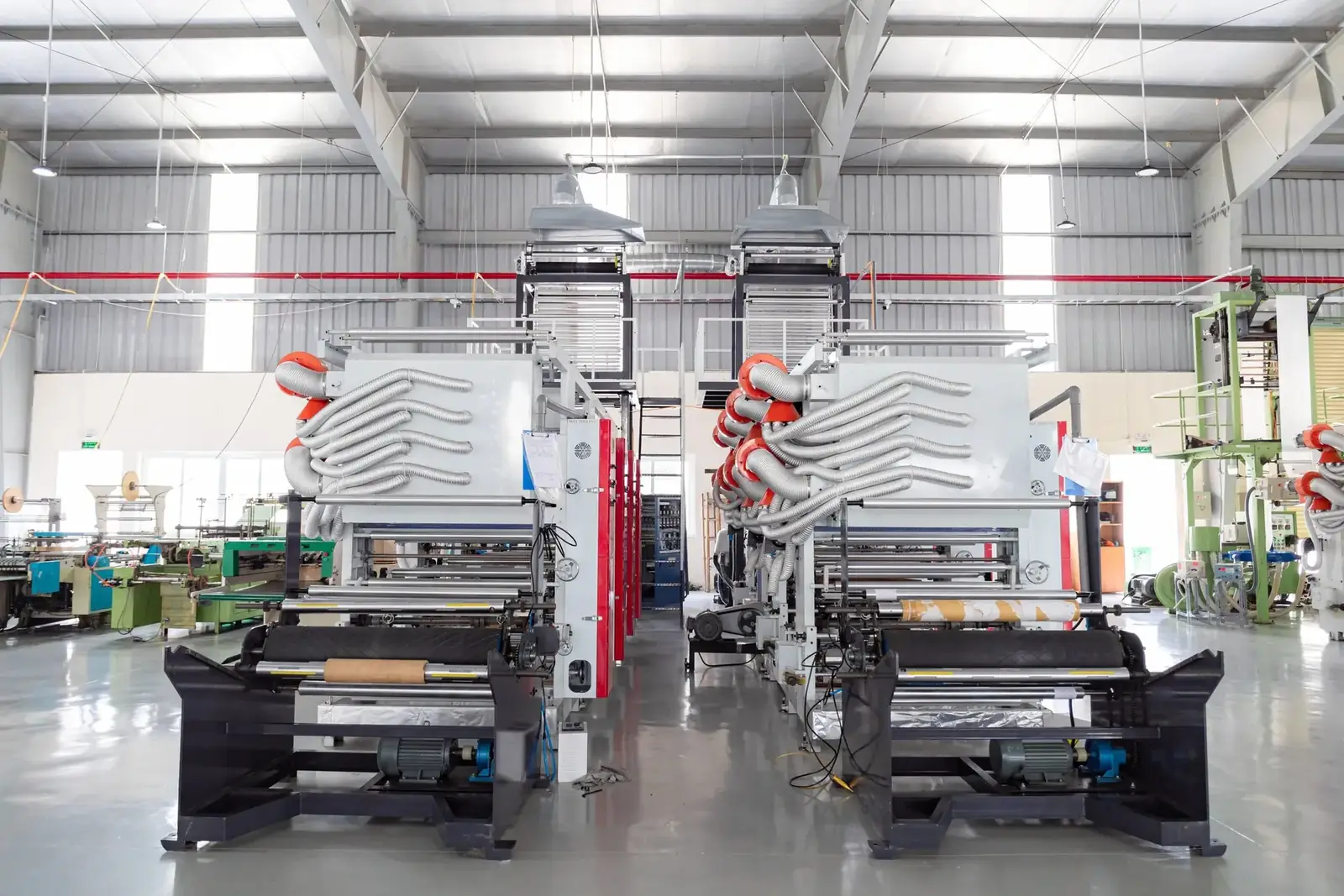
Only a few companies, in a few countries in the world, can develop modified PVOH material technology. Based in Vietnam, PVA PRO offers international businesses a unique alternative: a reliable partner with good quality and competitive prices. PVA PRO is Vietnam's first modified PVA (PVOH) manufacturer and the first in Vietnam to produce PVOH film and packaging, with 200 tons per month of capacity and a 500 kg minimum order. More in Why Vietnam is a new sourcing alternative and on the AquaFlex film page.
Frequently asked questions
What is the difference between PVOH and PLA?
PVOH is a synthetic polymer that dissolves in water; PLA is made from plant sugars and does not dissolve, but certain PLA products compost in industrial facilities. AquaFlex PVOH film passed ISO 14852 in 32 days in water and ASTM D6691 in 43 days in seawater.
Is PBAT better than PVOH?
It depends on the job. PBAT is water and tear resistant and compostable, so it suits packaging that touches water or wet waste. PVOH suits packaging that should dissolve in use, or dry goods that need long storage.
Is PVOH a bioplastic?
Bioplastics can be biobased, biodegradable or both. PVOH is a synthetic polymer, and biodegradability depends on chemical structure; AquaFlex PVOH film biodegraded in ISO 14852 and ASTM D6691 lab tests.
Which material stores longest?
AquaFlex retained samples have stayed stable for more than five years in normal storage conditions. Standard compostable plastics typically have a shelf life of about 12 months.
Can PVOH packaging touch water?
No. PVOH is water-soluble, so goods must not touch liquid water. Humidity and high heat are not an issue for AquaFlex.
Is industrial composting available everywhere?
No. NatureWorks notes that industrial composting facilities are limited and may not be available near you, so check the local route before choosing a compostable material.
Which material is best for hospital laundry bags?
PVOH, because the bag must dissolve in the wash so soiled linen is not handled again. AquaFlex B-HWS dissolves in water above 70°C.
Can PBAT film run on existing PE lines?
BASF states that its ecoflex PBAT can be processed on conventional PE blown film machines. AquaFlex B grades are also blown film resins, in mono or co-extrusion.
Which material blocks oxygen best?
PVOH film blocks oxygen far better than PE, which is why it is used in barrier structures. AquaFlex on metalized kraft paper reaches an oxygen transmission rate below 1 cc/m²/day (ASTM F1927). For PLA and PBAT, check the data sheet of the specific grade.
Sources
- Ingeo technology, NatureWorks
- Composting Ingeo PLA, NatureWorks
- ecoflex (PBAT), BASF
- EN 13432 background paper, European Bioplastics
- ISO 14852:2021, ISO
- ASTM D6691, ASTM International
AquaFlex figures: PVA PRO data and independent lab test reports by ARCHA S.r.l. (Pisa, Italy). These are lab test results.